A Mother's Second Chance
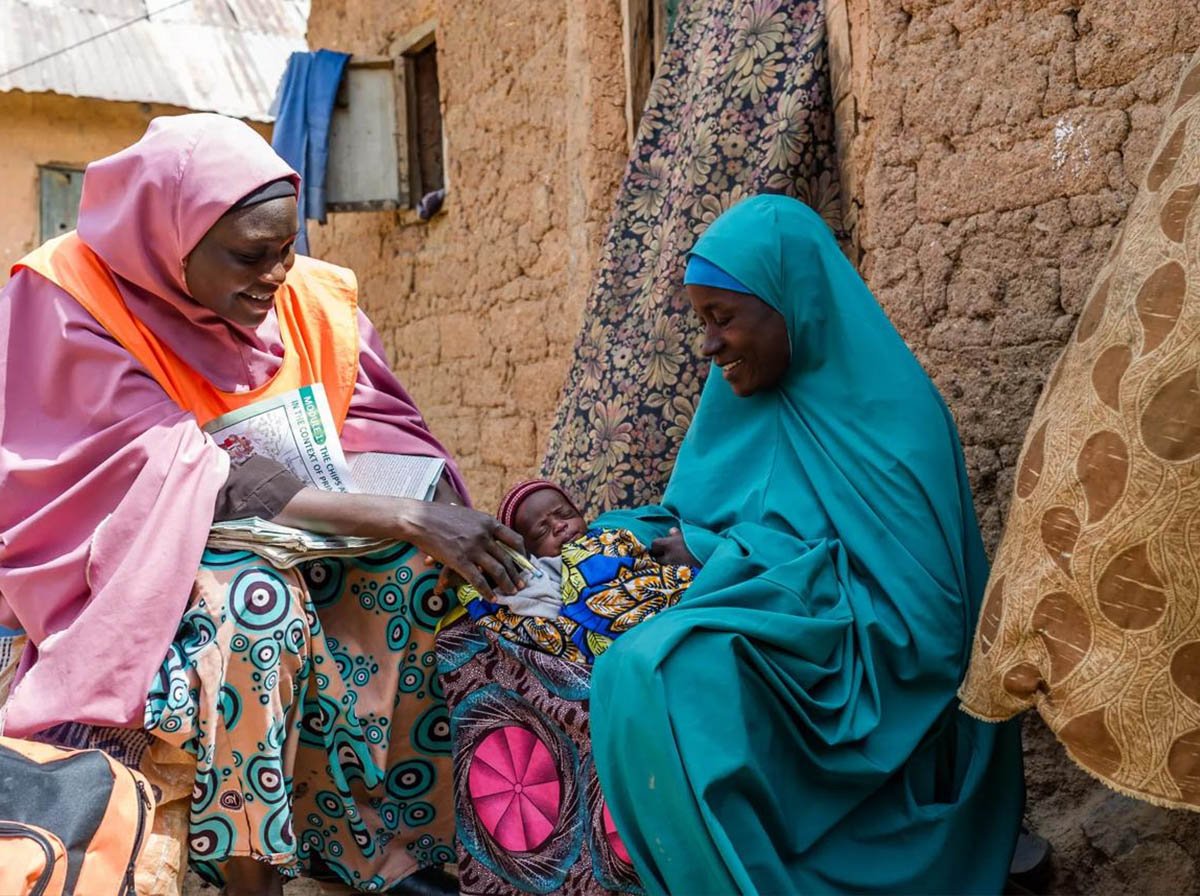
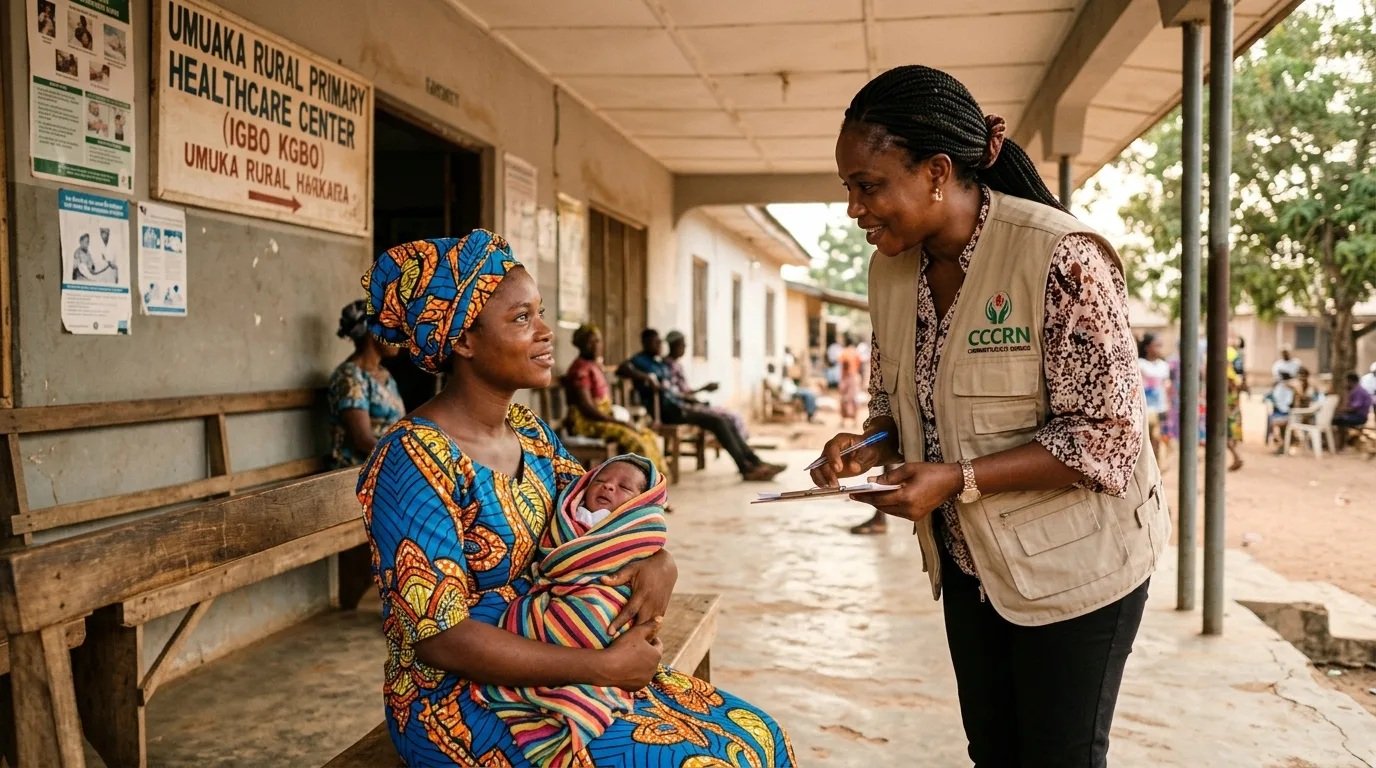
Timely maternal healthcare and infant nutrition guidance provided at local health facilities empower new mothers to safeguard their babies.
Despite steady gains in HIV treatment coverage across Niger State, testing uptake in rural and peri-urban facilities has continued to lag behind urban centers.
Despite steady gains in HIV treatment coverage across Niger State, testing uptake in rural and peri-urban facilities has historically lagged behind urban centers—a critical gap that delayed diagnoses and treatment initiation.
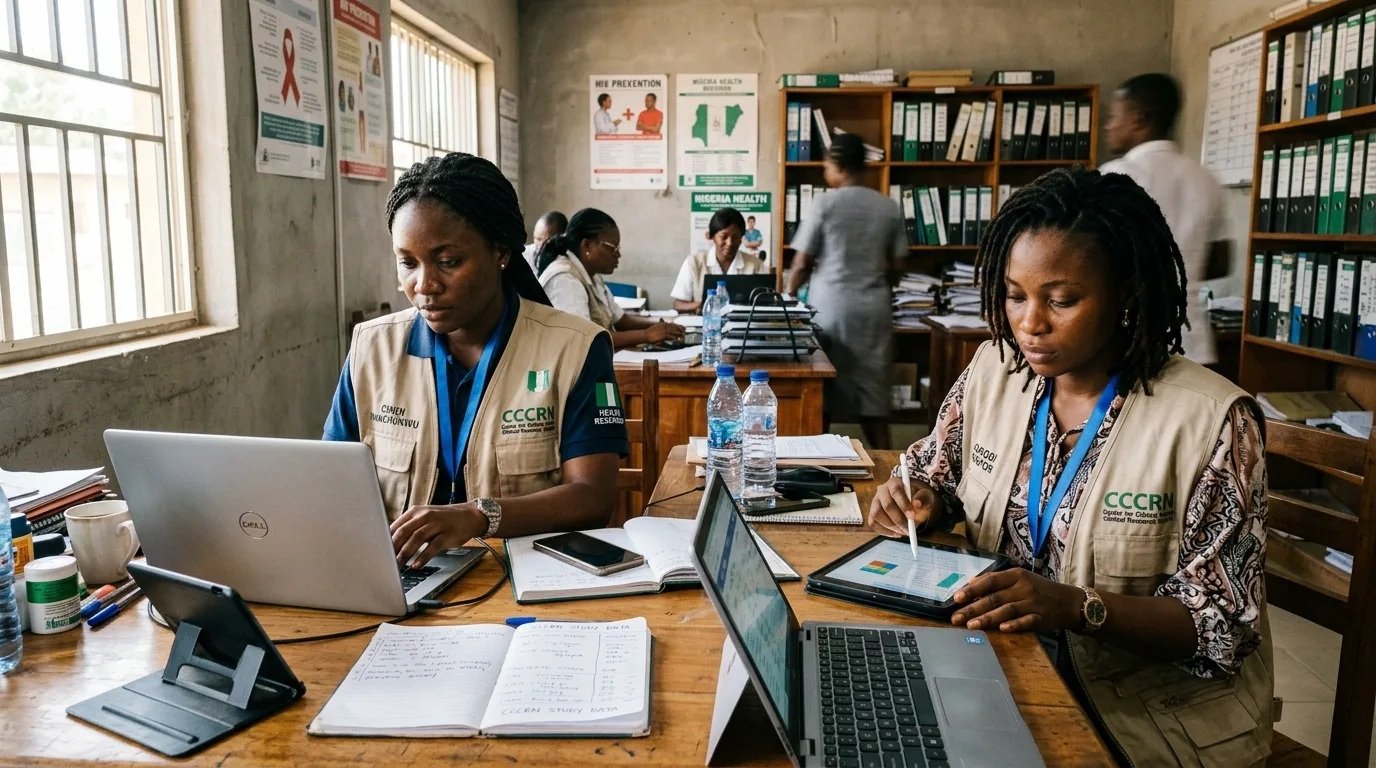
In close partnership with the State Ministry of Health and international technical partners, CCCRN spearheaded an evidence-driven facility restructuring model.
Within 18 months of deployment, participating rural facilities reported a 64% increase in total tests performed, with 98.4% of reactive clients initiated on antiretroviral therapy within seven days.
Before SERS, epidemic-prone disease reporting relied on fragmented, largely paper-based processes that slowed the flow of information from health facilities to the surveillance officers and national bodies responsible for acting on it.
Despite significant advancements in global health, structural inequalities persist at the community level. In many rural and underserved areas, the infrastructure required to deliver consistent, high-quality care is fragile, leaving populations exposed to preventable diseases and emergencies.
The gap between national health policies and localized implementation creates a critical vulnerability. When communities lack ownership and immediate access to resources, entire health systems struggle to function effectively under pressure.
lack immediate access to life-saving emergency obstetric care within a 2-hour radius.
maternal health gap between urban centers and rural communities in essential antenatal coverage.
CCCRN supported clinic in Benue State, 2023. Photo: Documentary Team.
Before SERS, epidemic-Through targeted, data-backed interventions, CCCRN works directly with local leaders and health workers to bridge the gap between policy and practice, creating resilient systems that endure.
"When we have the knowledge to protect our own families, the whole village grows stronger."
— AMINA T., COMMUNITY MOBILIZER
The collaborations driving our work and the outcomes we're committed to achieving together. Building resilience is a collective effort. We collaborate with local governments, international NGOs, and private sector partners to scale our impact. Our goals for the next phase are focused on sustainability and deeper integration.
Viral Suppression Achieved among enrolled patients after 12 months of sustained treatment.
Facilities Supported Primary and secondary health centers upgraded with new diagnostic tools.
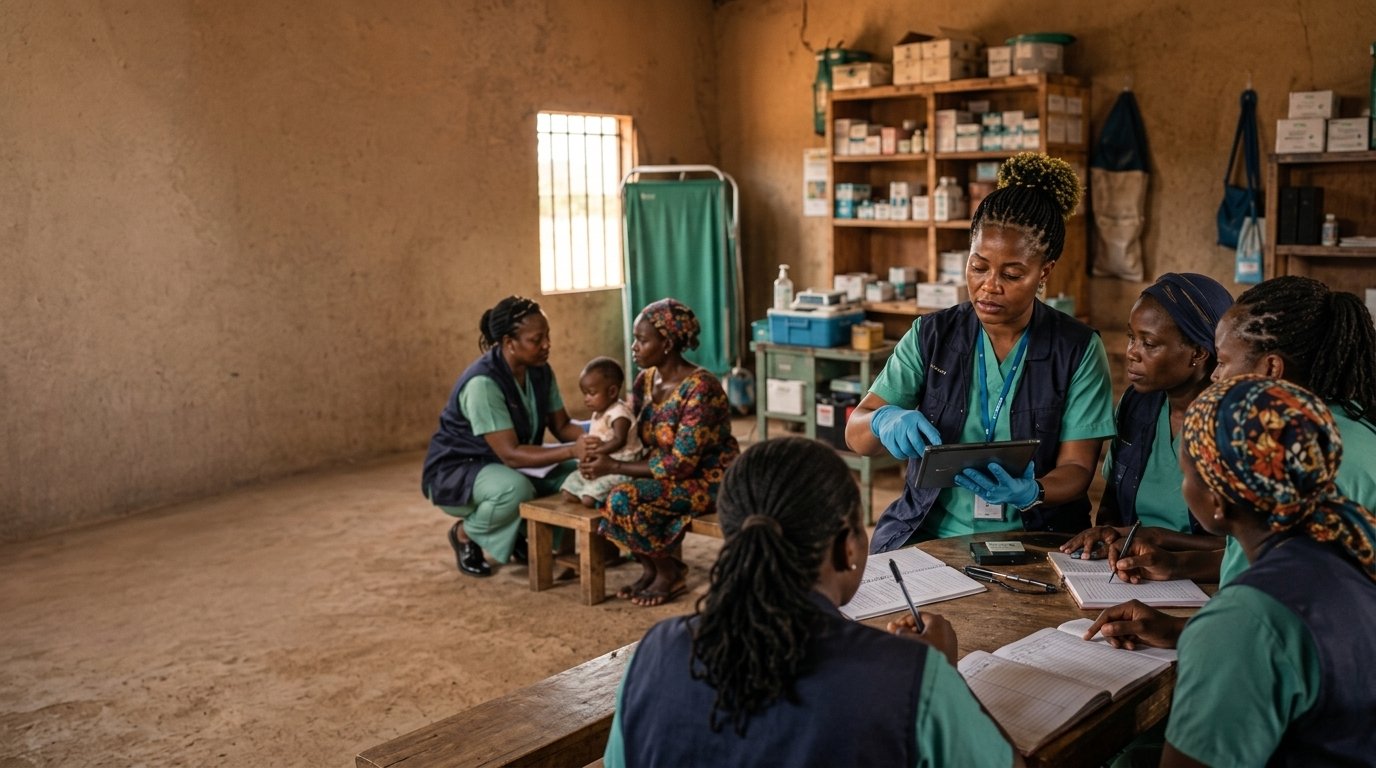
Workers Trained. Nurses, lab technicians, and community extension workers upskilled.
New Enrollments, individuals initiated on ART within the first year of the accelerated program.
"True resilience isn't just surviving a crisis—it's building the strength to prevent the next one."
Timely maternal healthcare and infant nutrition guidance provided at local health facilities empower new mothers to safeguard their babies.
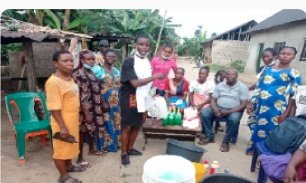
In this program she was trained on how to make liquid soap and local bleach as a means to activate sustainable household income.
Federal Government of Nigeria Signs MoU with Asian Economic Development Committee to boost community skills training and economic self-sufficiency.
Every partnership brings quality healthcare closer to the communities that need it most. Join us in transforming lives through research, innovation, and sustainable healthcare solutions across Nigeria.