


CCCRN
Sustainable HIV Epidemic Control Project
FEATURED PROJECT

Sustainable HIV Epidemic Control Project

HIV Care · Epidemic Control · Case Management · Akwa Ibom & Cross River
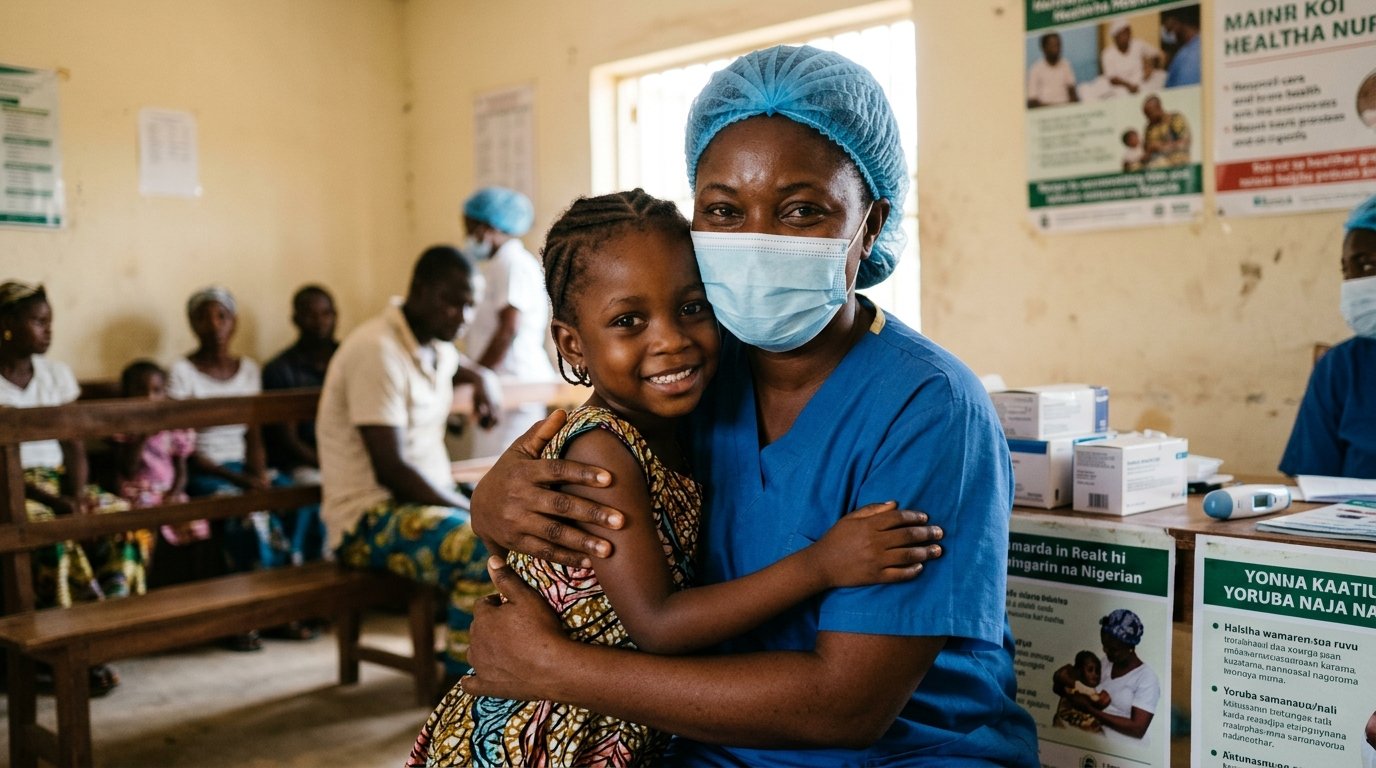
Sustainable HIV Epidemic Control Project Field Clinic

CCCRN frontline health worker providing pediatric screening, 2023.

The Sustainable HIV Epidemic Control Project delivers comprehensive clinical and community interventions to reach 95-95-95 UNAIDS targets in southern Nigeria. Working alongside state ministries of health and local healthcare facilities, CCCRN implements differentiated service delivery models, index case testing, and community antiretroviral therapy (ART) groups to ensure unbroken access to life-saving care.
CONTEXT

The Challenge

Reaching sustained viral suppression requires overcoming structural barriers, stigma, and geographical disparities in healthcare infrastructure. In hard-to-reach riverine and rural communities, inconsistent facility access frequently undermines adherence.

The gap between national health policies and localized implementation creates a critical vulnerability. When communities lack ownership and immediate access to resources, entire health systems struggle to function effectively under pressure.

95%

of diagnosed individuals sustained on antiretroviral therapy within target clusters.

30%

reduction in loss-to-follow-up through localized community peer tracking networks.

OUR APPROACH

How We Deliver Lasting Change

Through targeted clinical mentorship and decentralized drug distribution, CCCRN brings specialized care directly to vulnerable populations.

Decentralized antiretroviral therapy distribution through community pharmacy and faith-based hubs.
Frontline healthcare worker capacity development in pediatric and adolescent clinical care.
Real-time electronic medical records integration to monitor viral load suppression benchmarks.
Community-led stigma mitigation campaigns and peer support counseling groups.
Community Healthcare Story
"When care is accessible right in our community, parents no longer have to choose between feeding their children and travelling hours to a clinic."

— MARY E., COMMUNITY LIAISON OFFICER

LOOKING AHEAD

Strategic Milestones & Horizons

In partnership with local governments, CDC, and civil society organizations, our priorities focus on institutional transition and long-term sustainability.

Scale multi-month dispensing to over 90% of stable clients across target local government areas.
Strengthen laboratory specimen transport networks for timely viral load turnaround times.
Empower state ministries to gradually absorb frontline clinical surveillance infrastructure.
MEASURABLE IMPACT

Our Impact in Numbers

95%

Viral suppression rate among active adult and pediatric cohorts.

180+

Supported primary and secondary healthcare delivery facilities.

3,400+

Healthcare providers and community extension officers upskilled.

24k

Clients actively receiving continuous, life-saving antiretroviral therapy.

"True resilience isn't just surviving a crisis—it's building the strength to prevent the next one."

Related Projects

PMET-1
Health Service Delivery

PMET-1

Partnership with US-CDC to improve training infrastructure and build the capacity of tutors in 13 Schools of Nursing and Colleges of Health Technology in Enugu, Imo, and Ebonyi States.

2012–2014 View Project →
PMET-2
Health Service Delivery

PMET-2

A five-year US-CDC cooperative agreement focused on institutionalizing in-service training for HIV management across multiple states in Nigeria.

2012–2017 View Project →
Together, We Can Build Stronger Healthcare Systems

Together, We Can Build Stronger Healthcare Systems

Every partnership brings quality healthcare closer to the communities that need it most. Join us in transforming lives through research, innovation, and sustainable healthcare solutions across Nigeria.